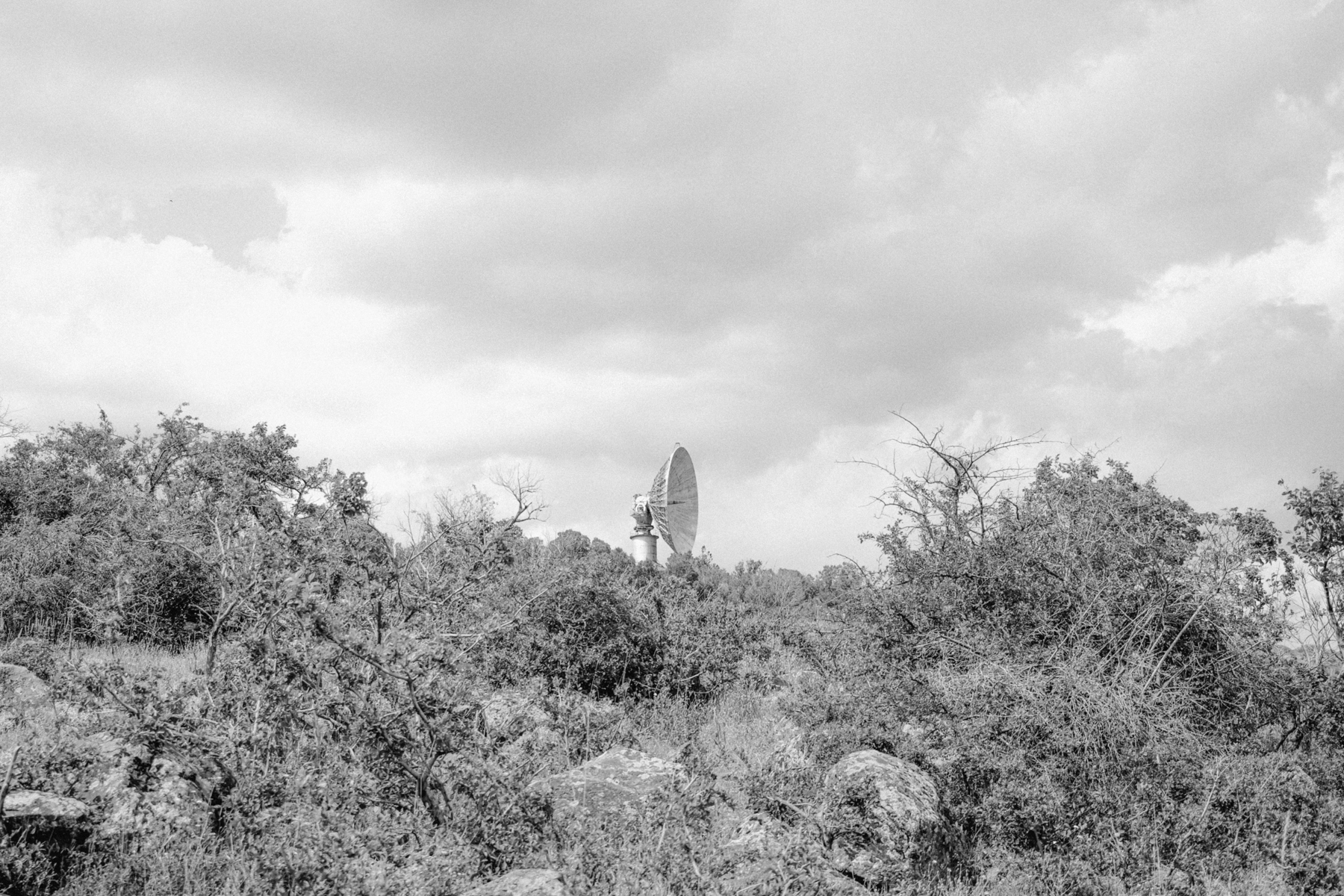
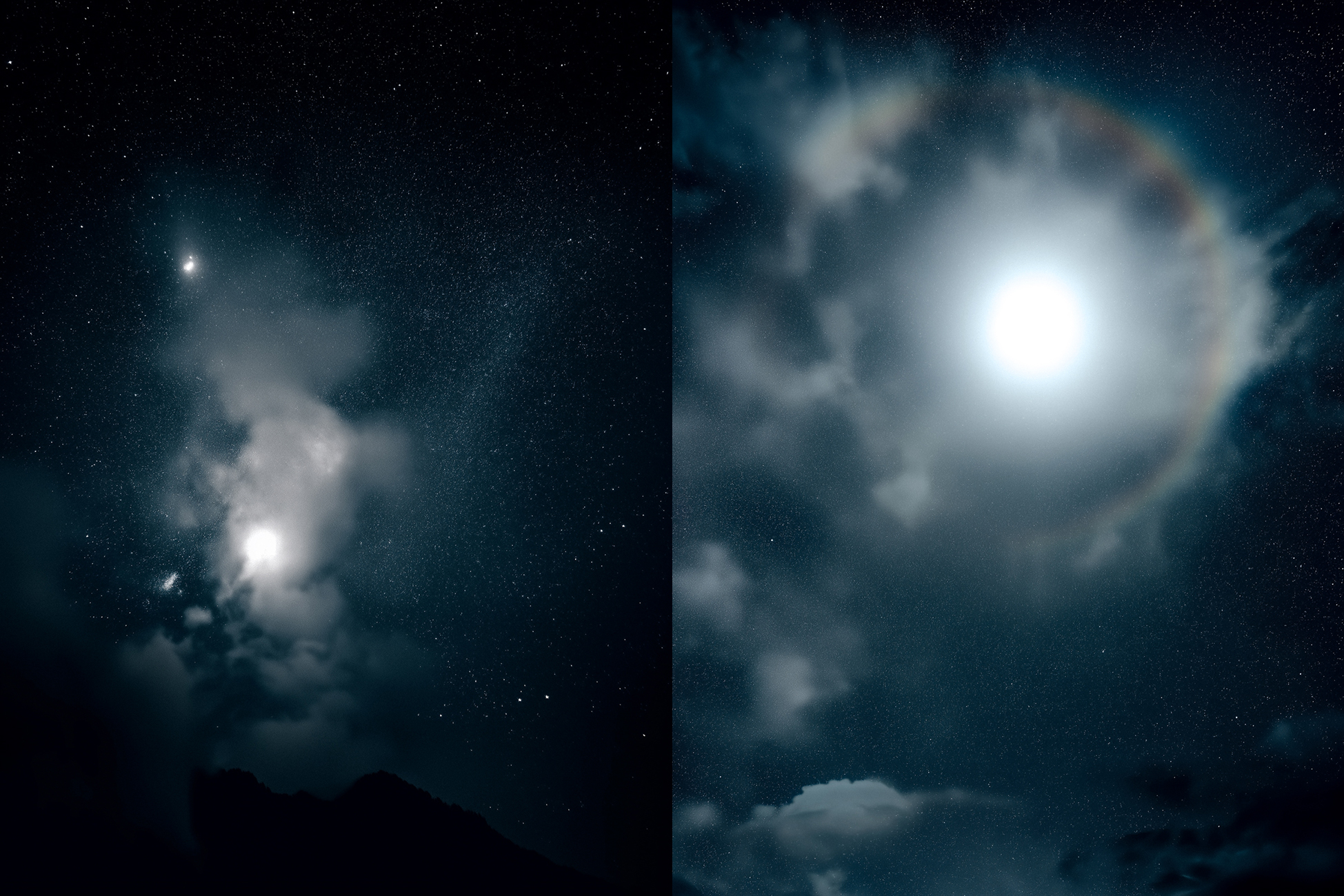
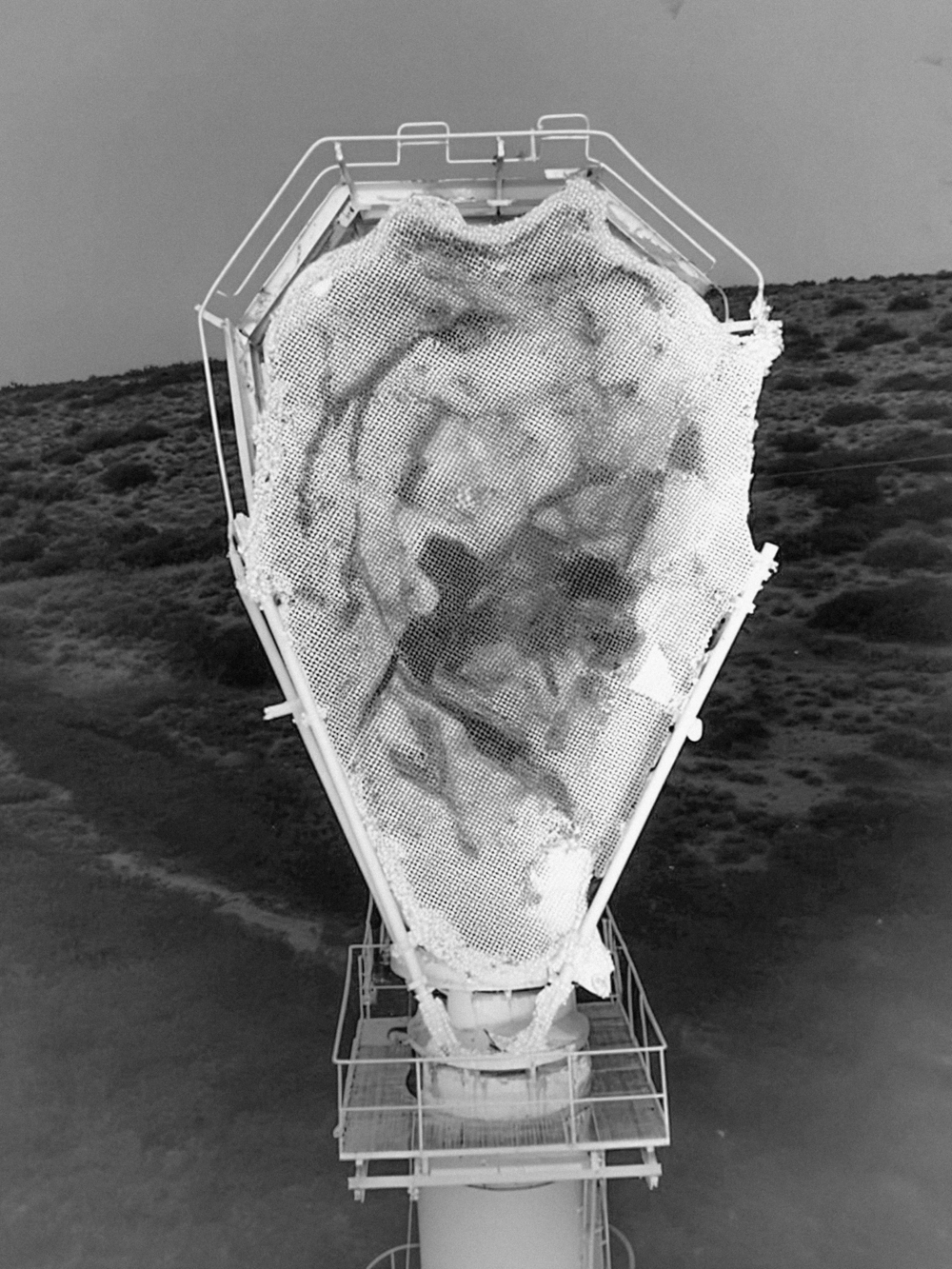
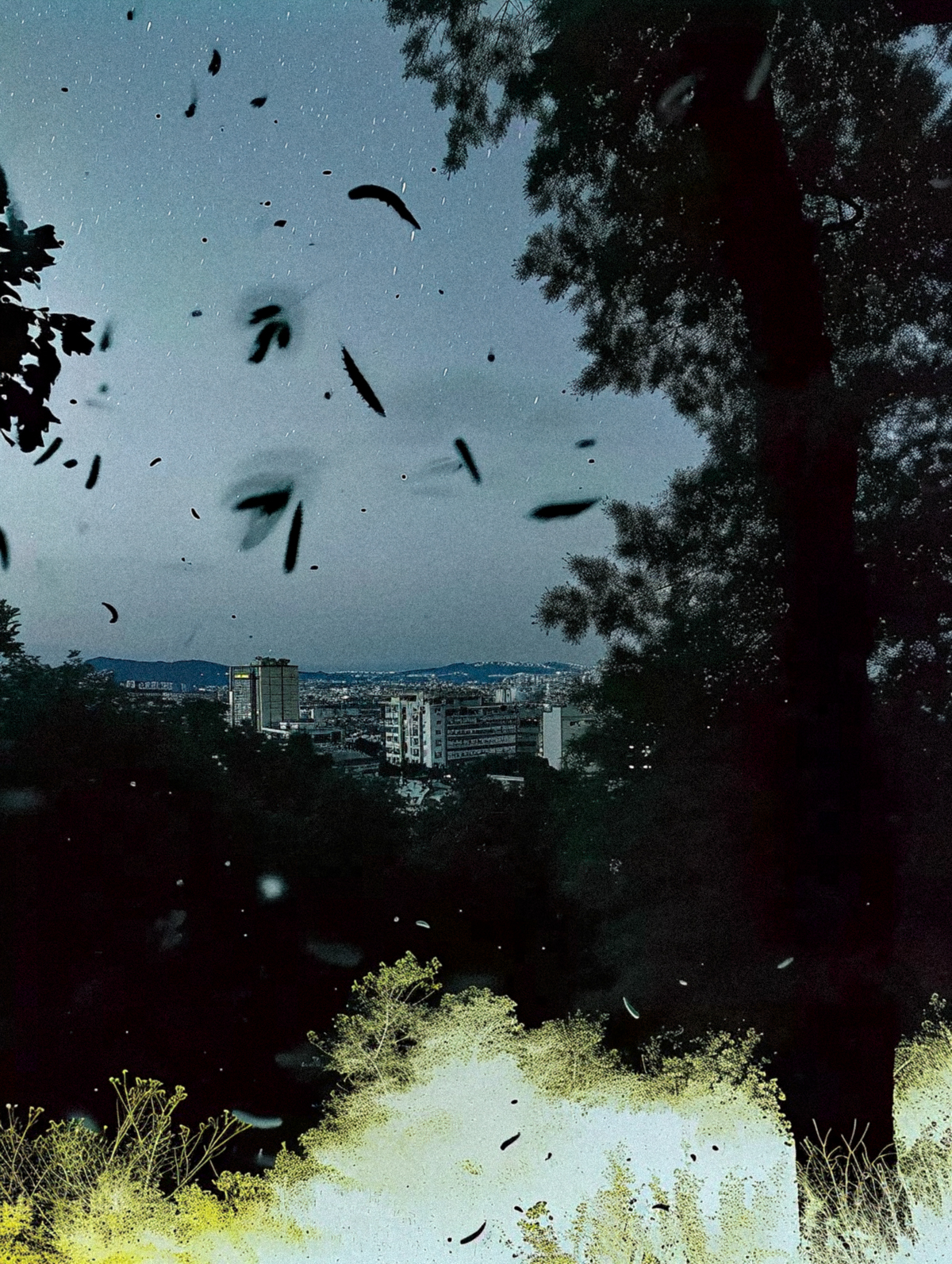
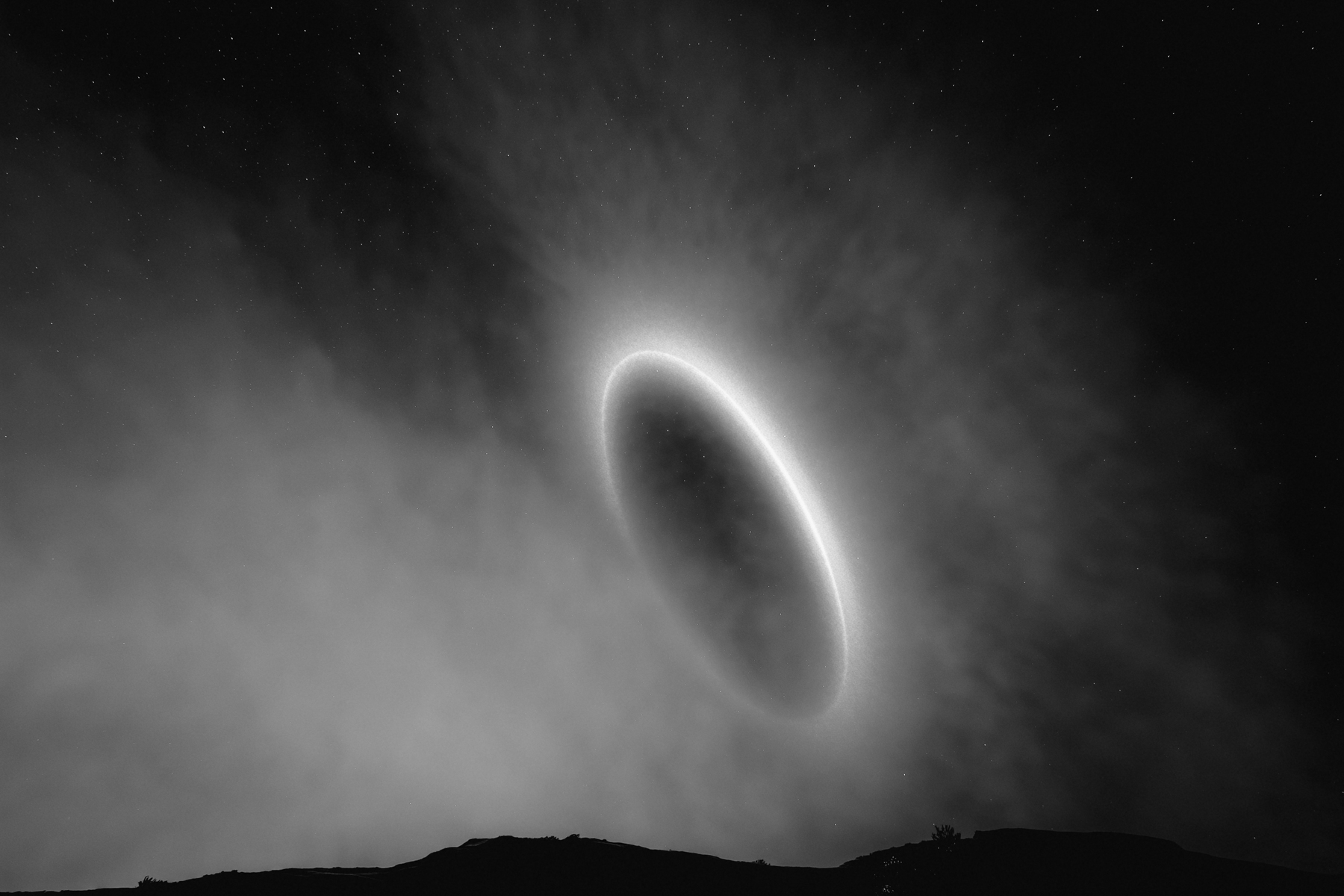
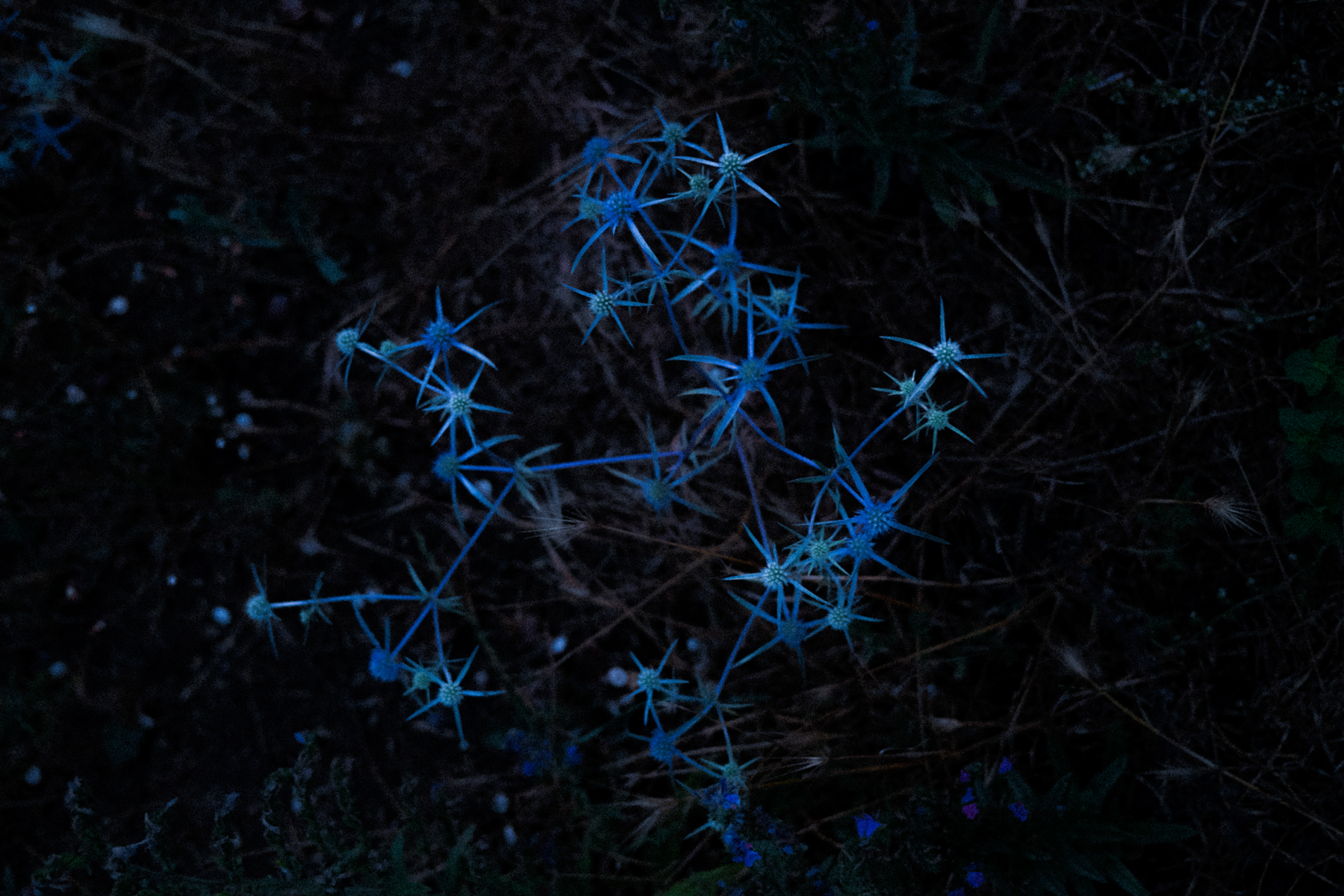
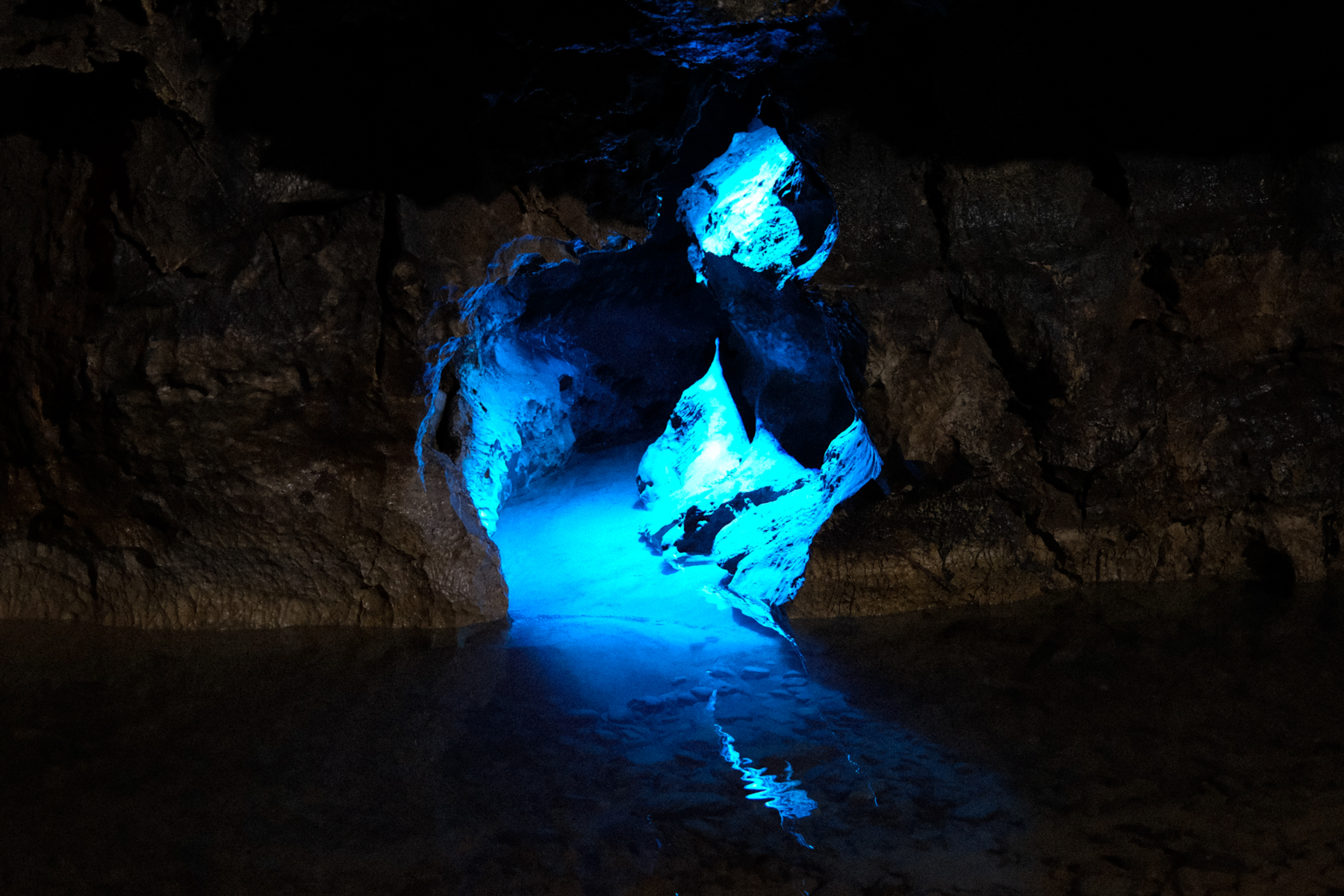
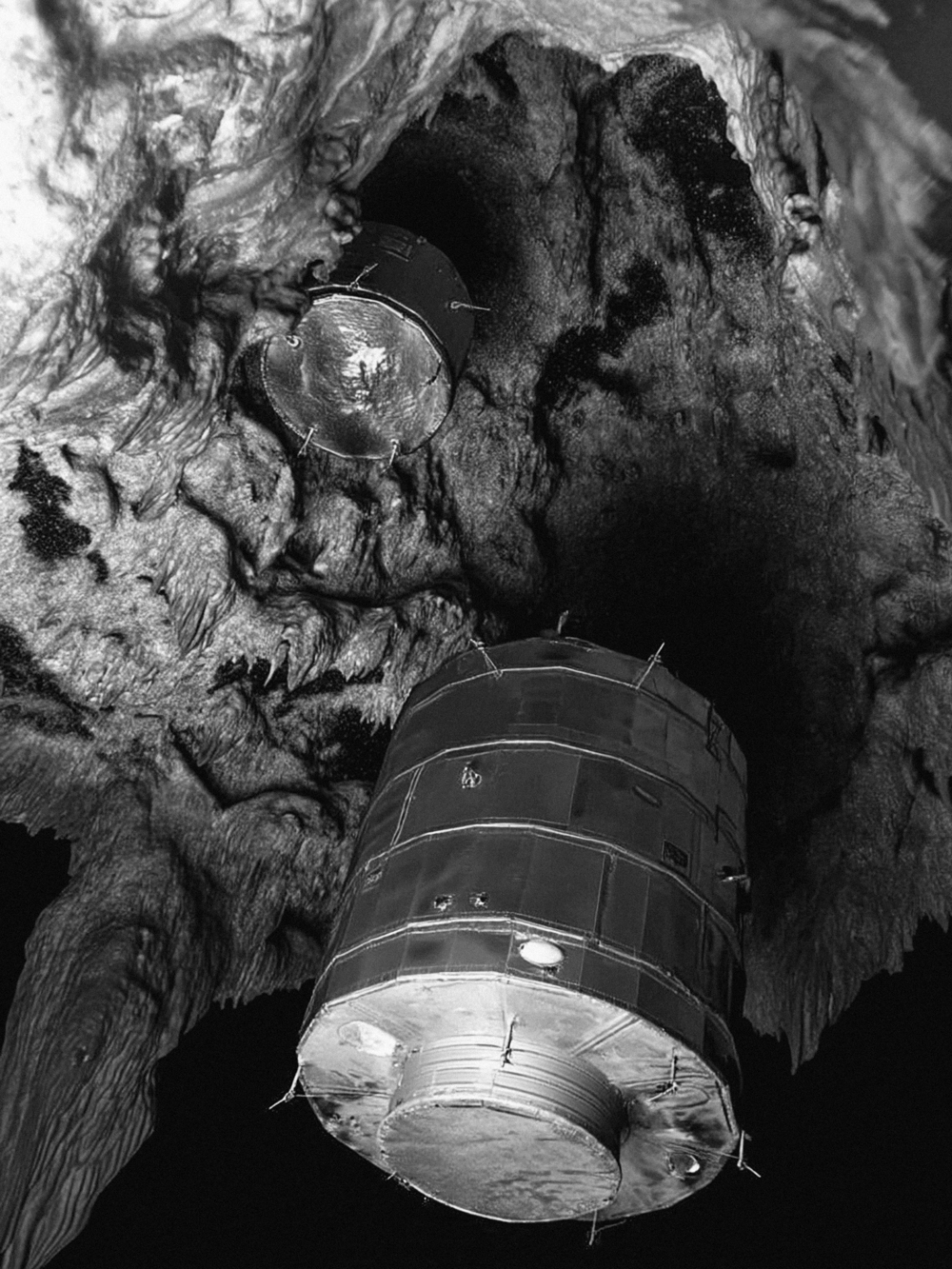
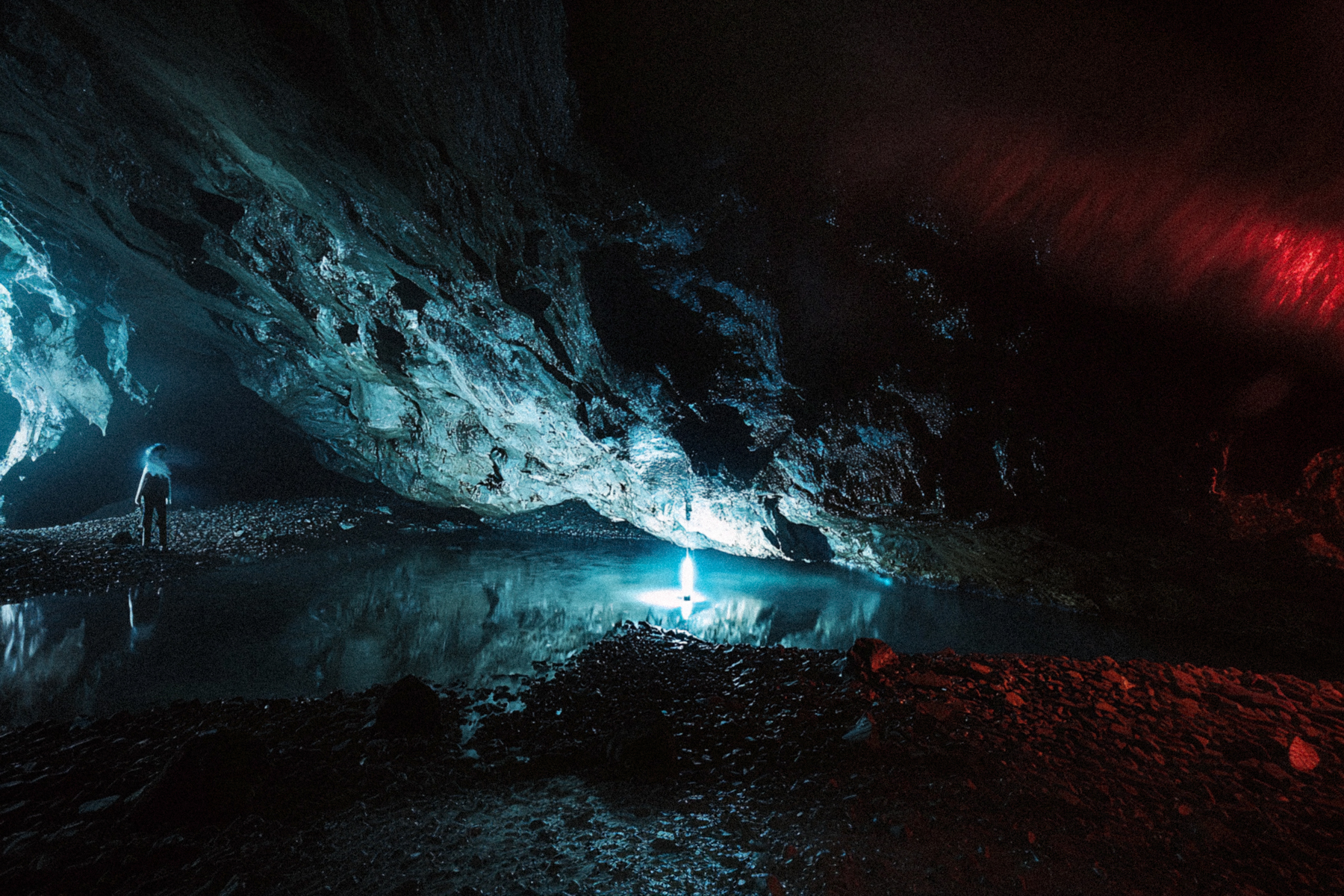
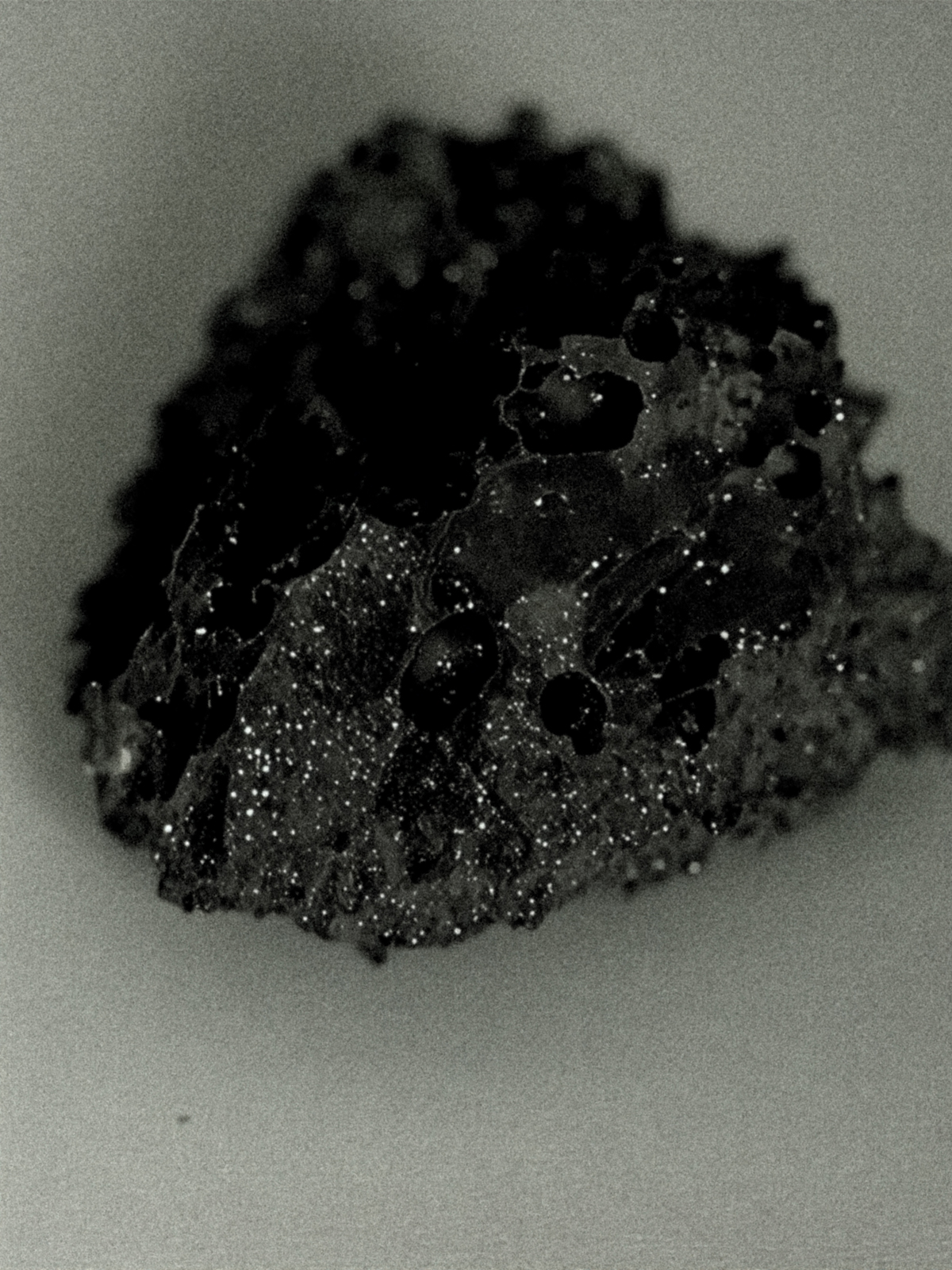
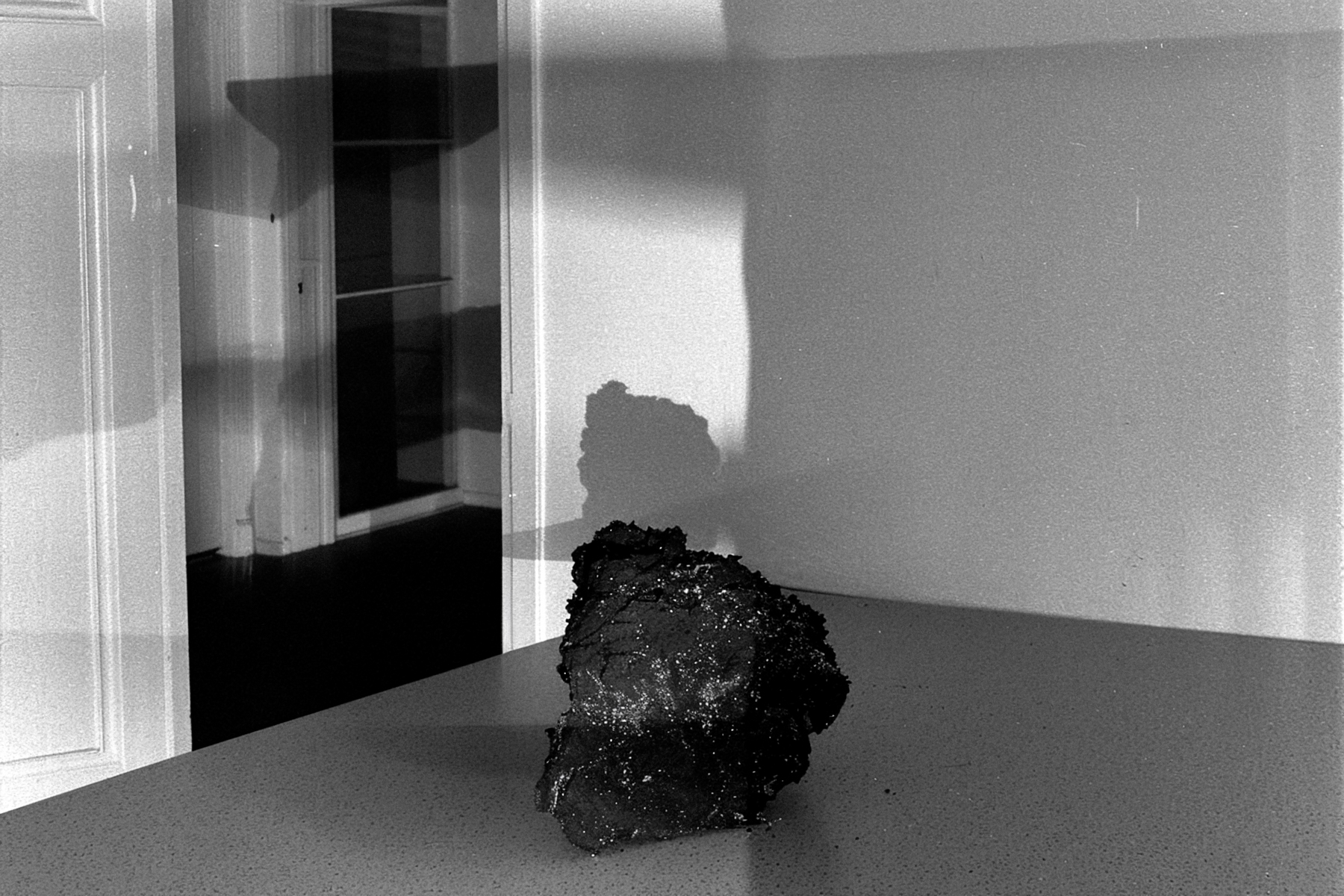
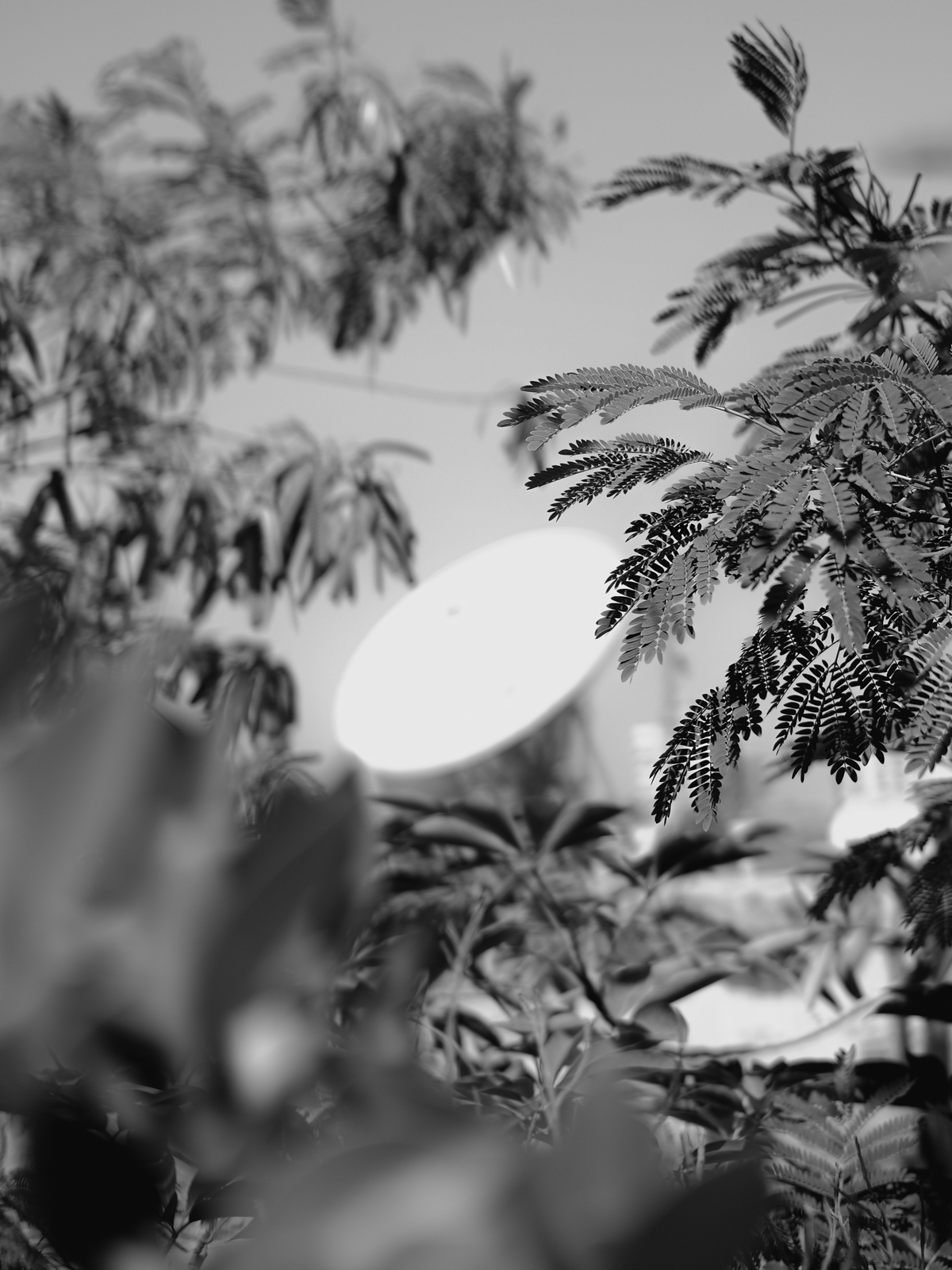
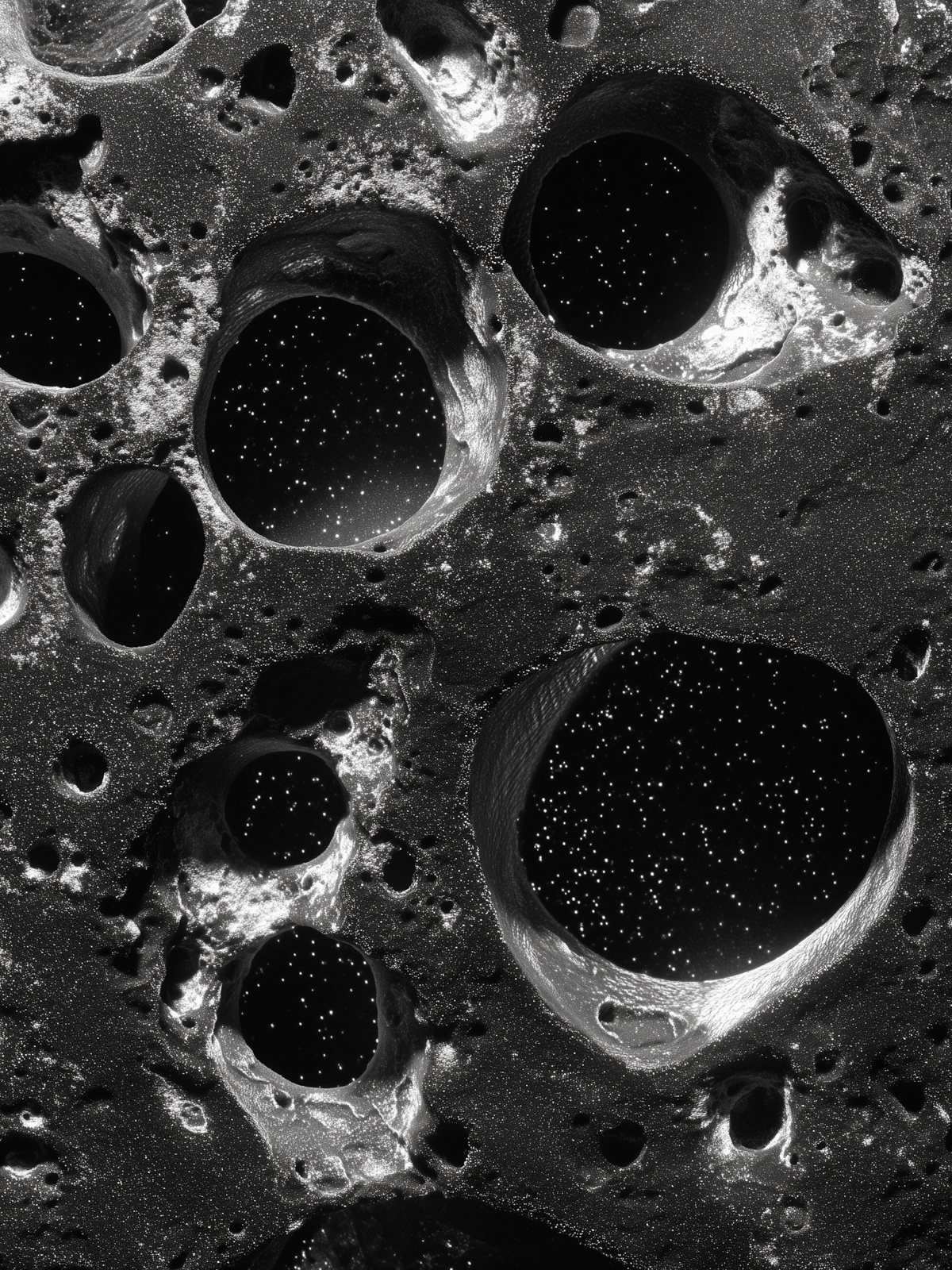
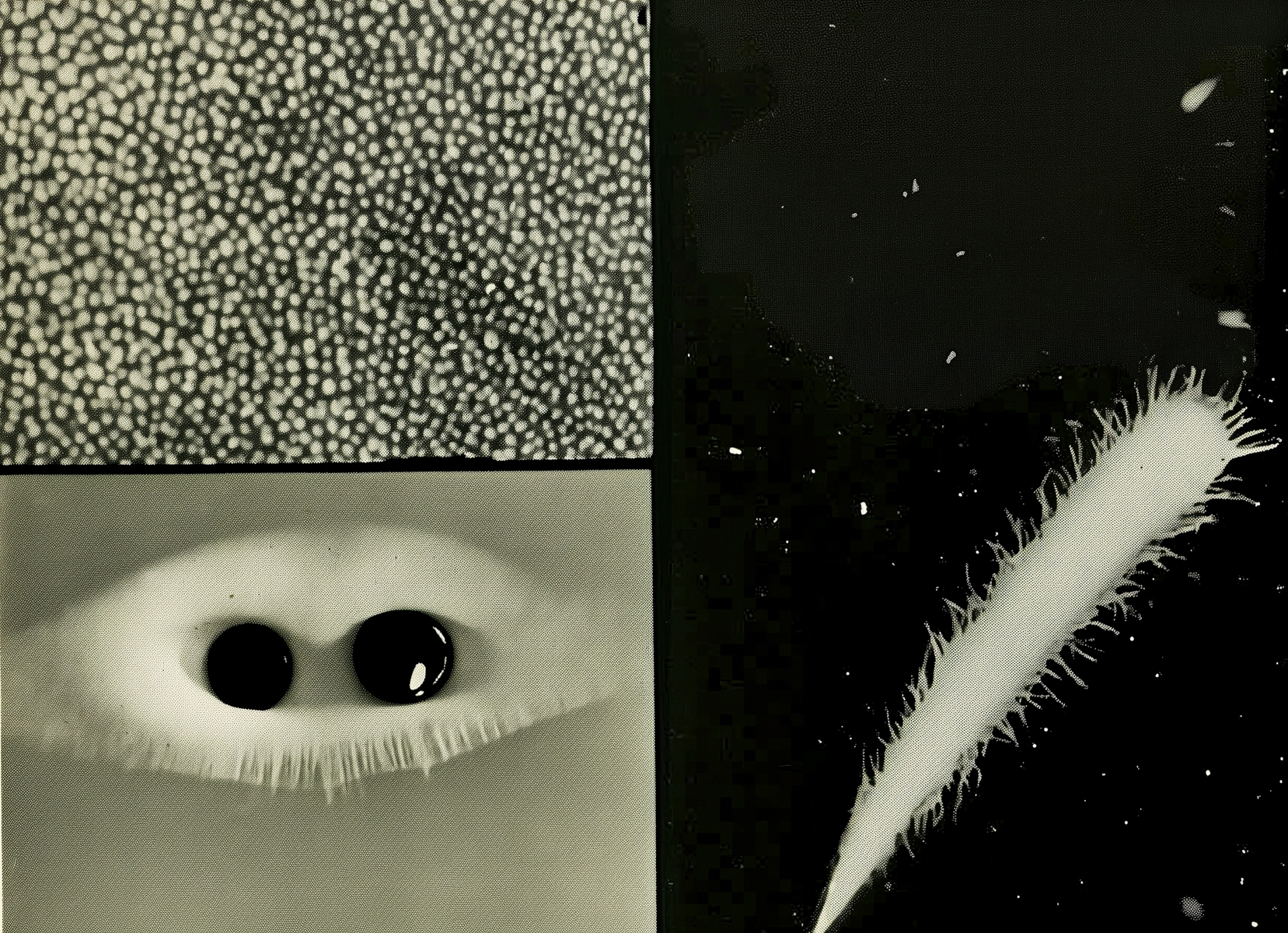
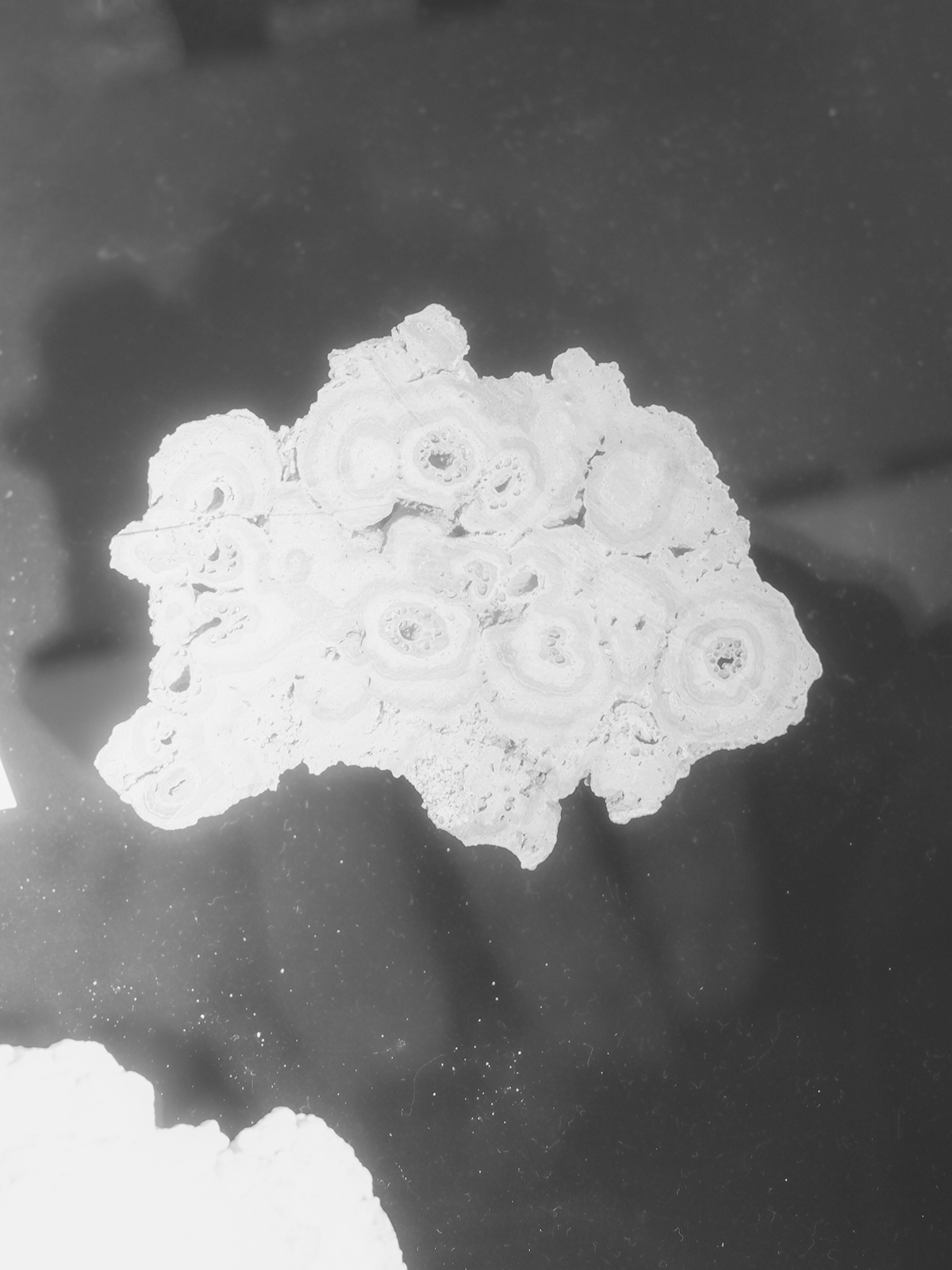
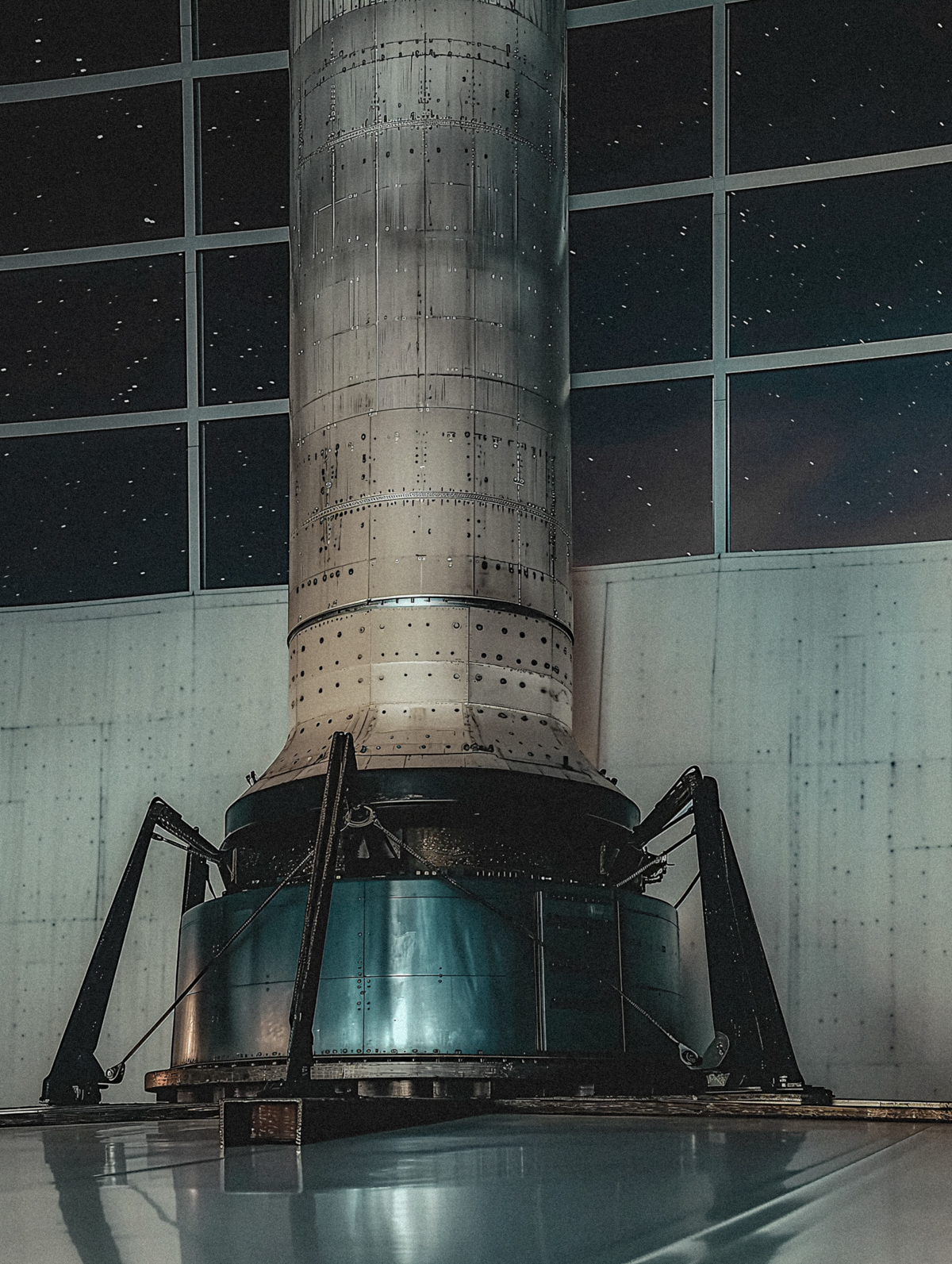
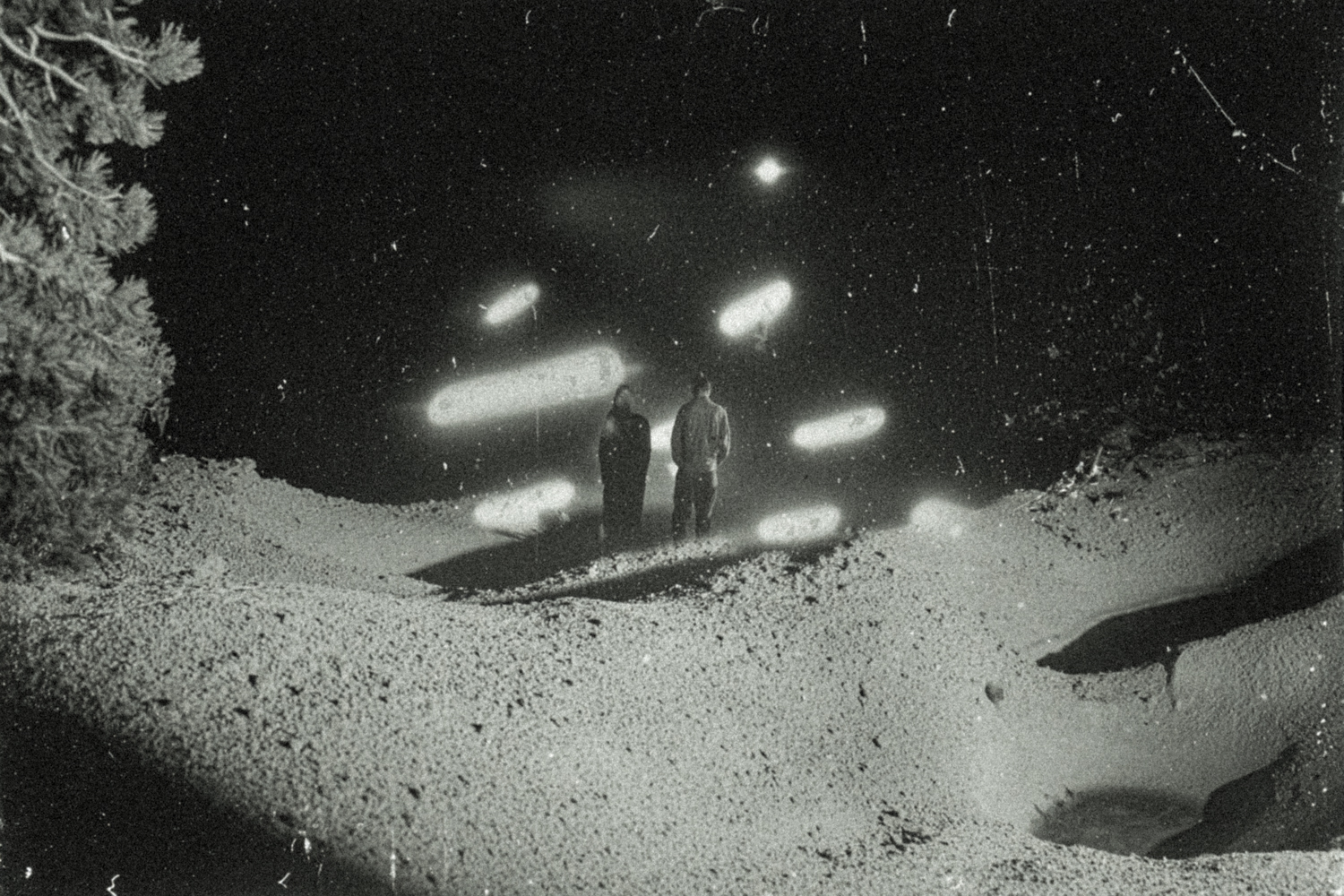
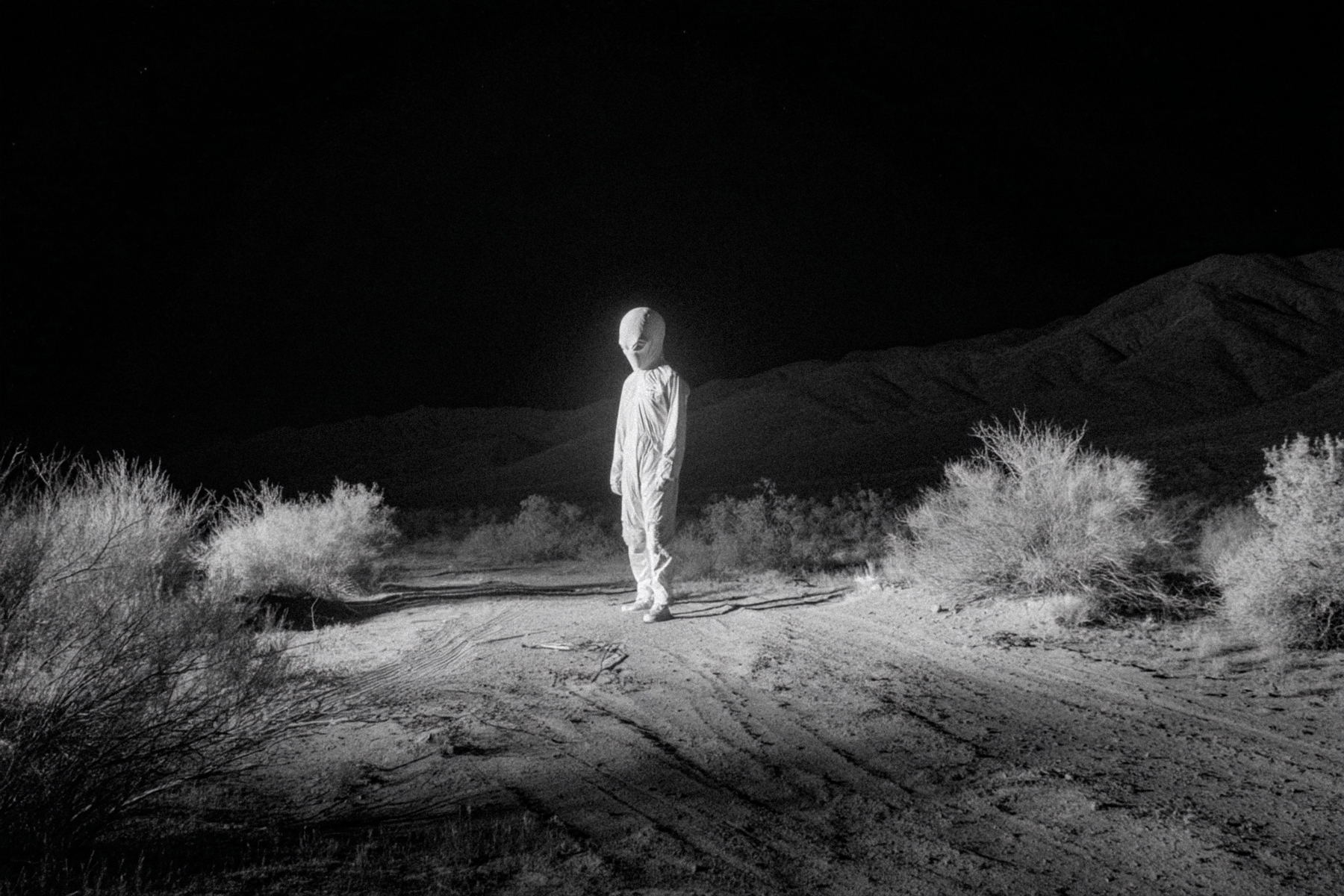
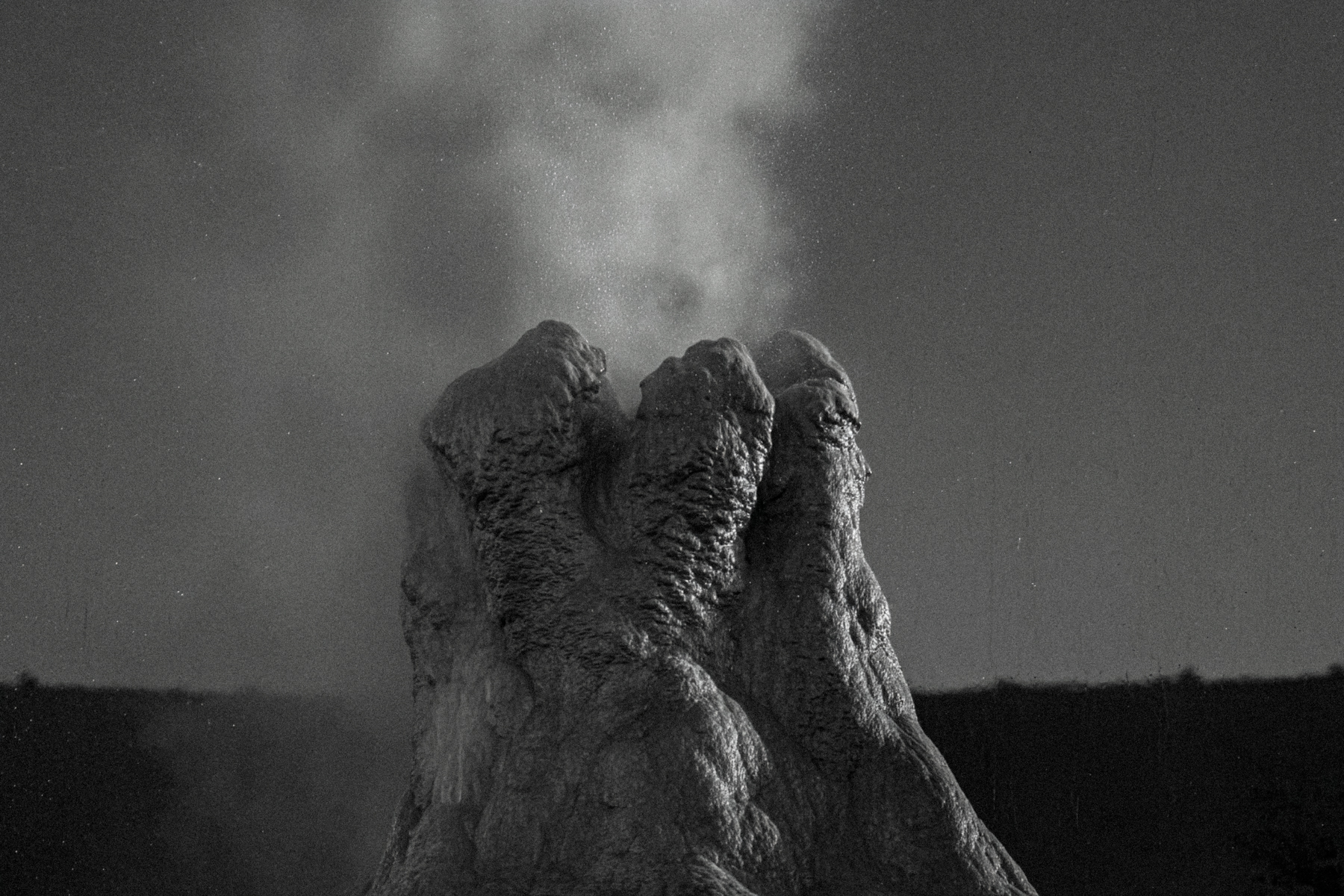
Everett's Notes is my attempt to trace the loss of “the ability to dream of the universe.” The project began with a profound sense of loss. From a very young age, I would dream of immense, rotating galaxies; I would dream of being drawn by gravity into deep space, passing through bubble-like boundaries between universes. As I grew older, however, these dreams gradually disappeared. I came to understand this, in essence, as the loss of a certain capacity for perception. Through images, I began trying to recover those dreams—to reconstruct scenes from them, revisit the cosmic fantasies of my childhood, and return to the scientific explorations of my student years. The work currently unfolds, in subtle ways, along three narrative threads: “The Meteorite of the Blue Comet,” “The Cave Is Eternal Night,” and “No. 84003.”
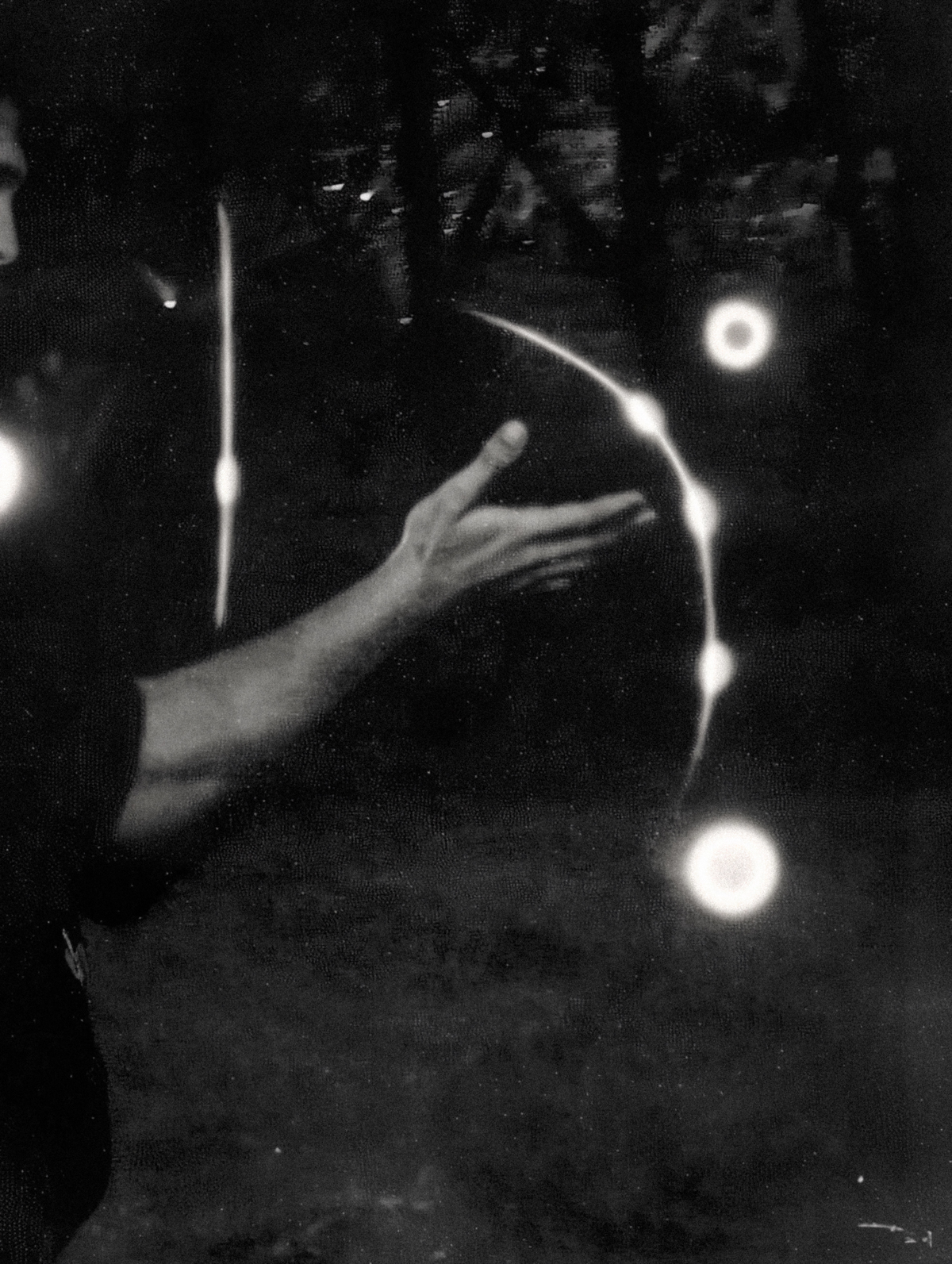
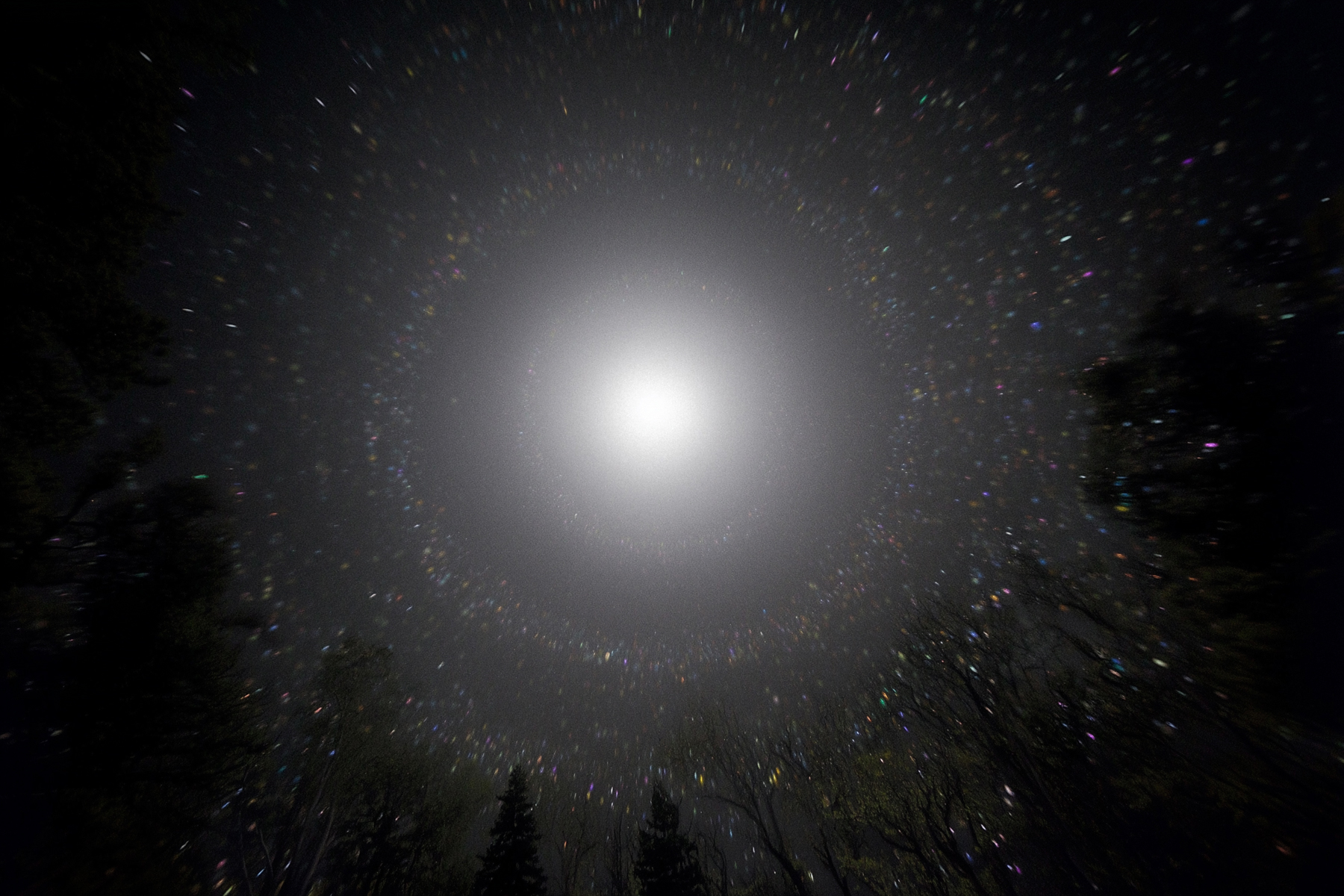
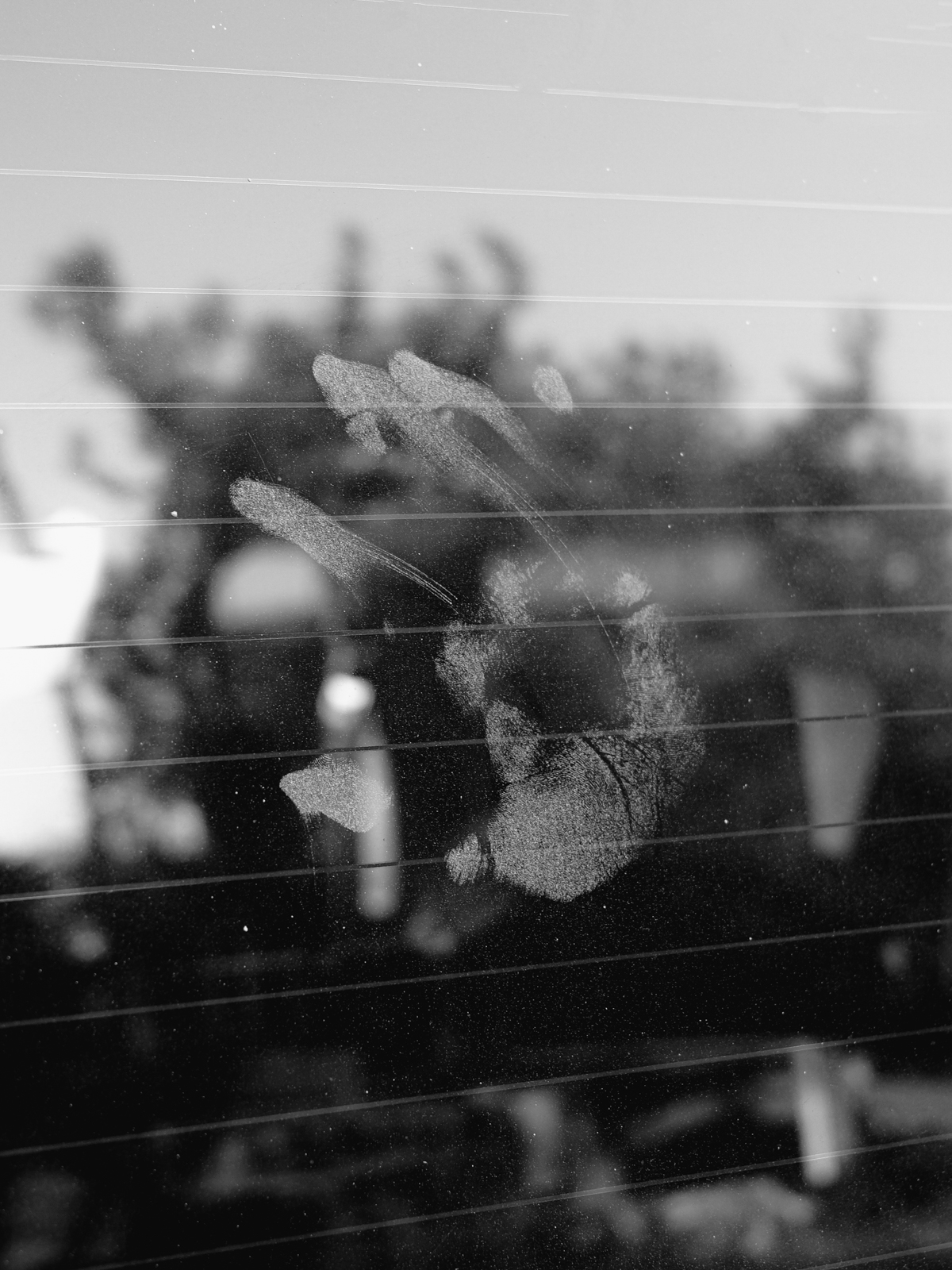
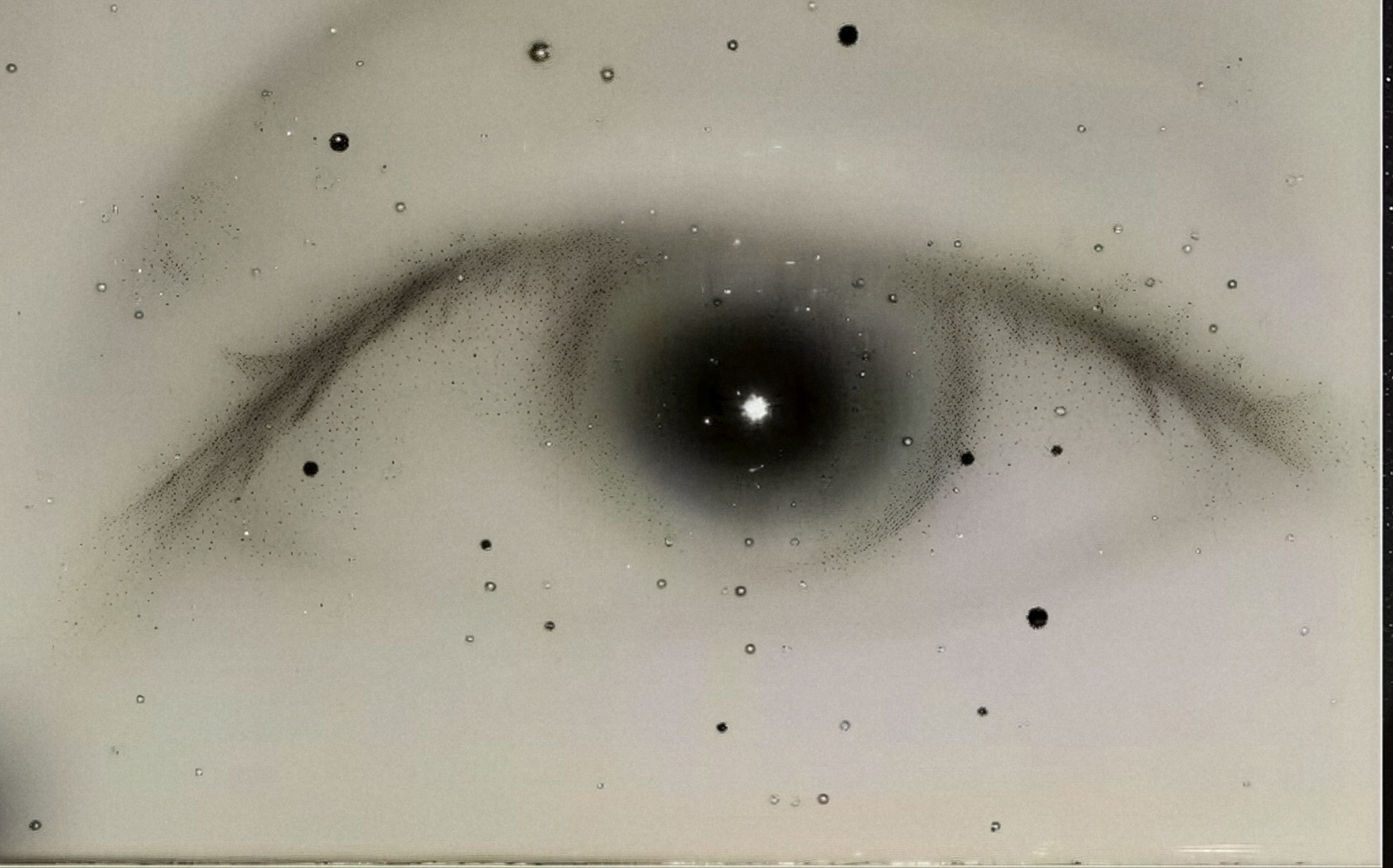
“The Meteorite of the Blue Comet” is a visual exploration centered on a “cosmic event preserved in memory.” It originates from a vivid dream: a blue comet streaked across the night sky, and its meteorite slowly fell to Earth and passed through my body, warm yet silent, like some kind of ritual of being chosen. The images are not only a return to bodily perception and imagination; they are also evidence of the fall, an echo of a connection to the cosmos. Along this narrative thread, I photograph points of light moving silently through the night sky, gather archives awaiting verification, record burns upon the body, and reconstruct erased memories of abduction. I believe that the meteorite remains inside my body to this day—it is still silent, but it has never truly been still.
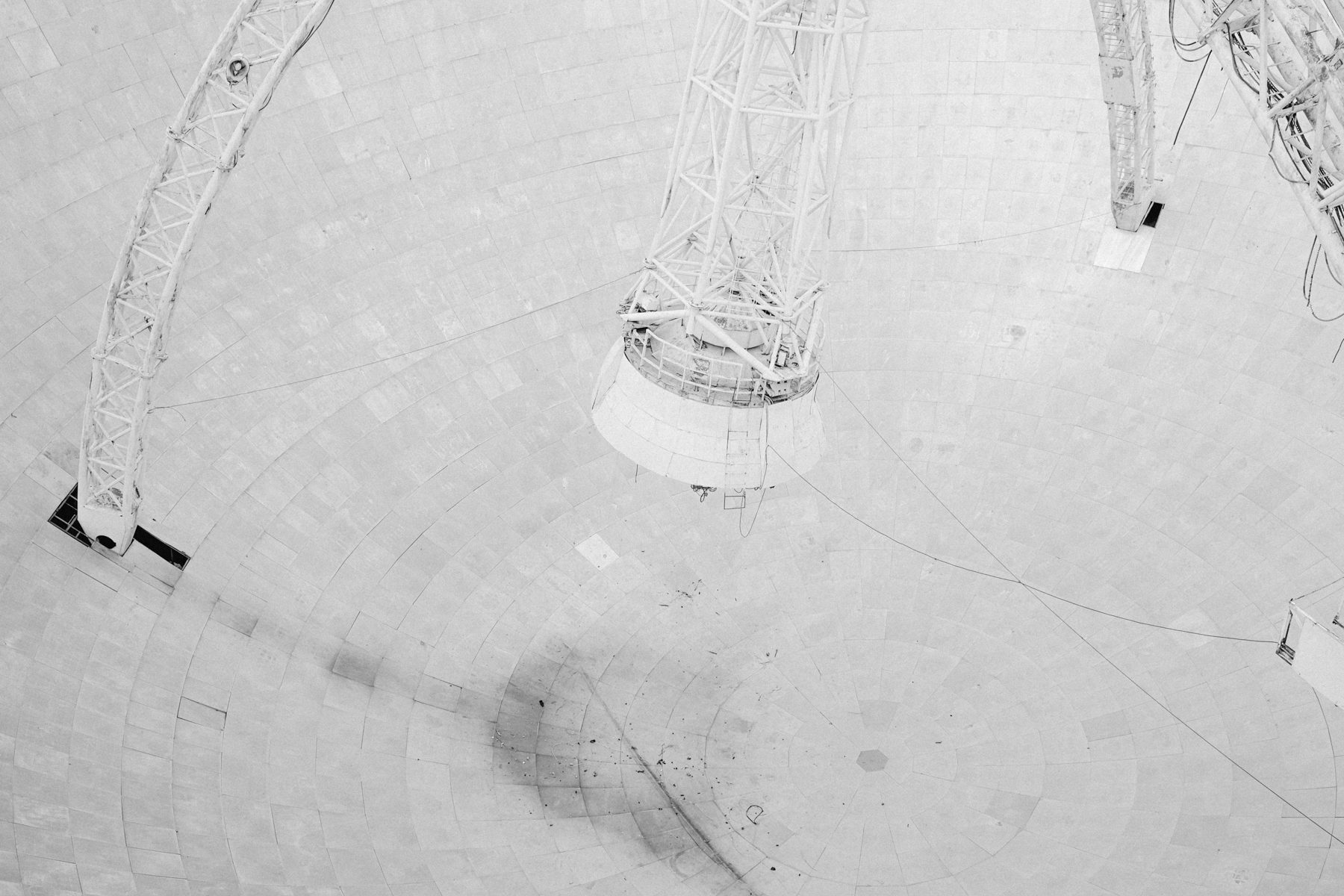
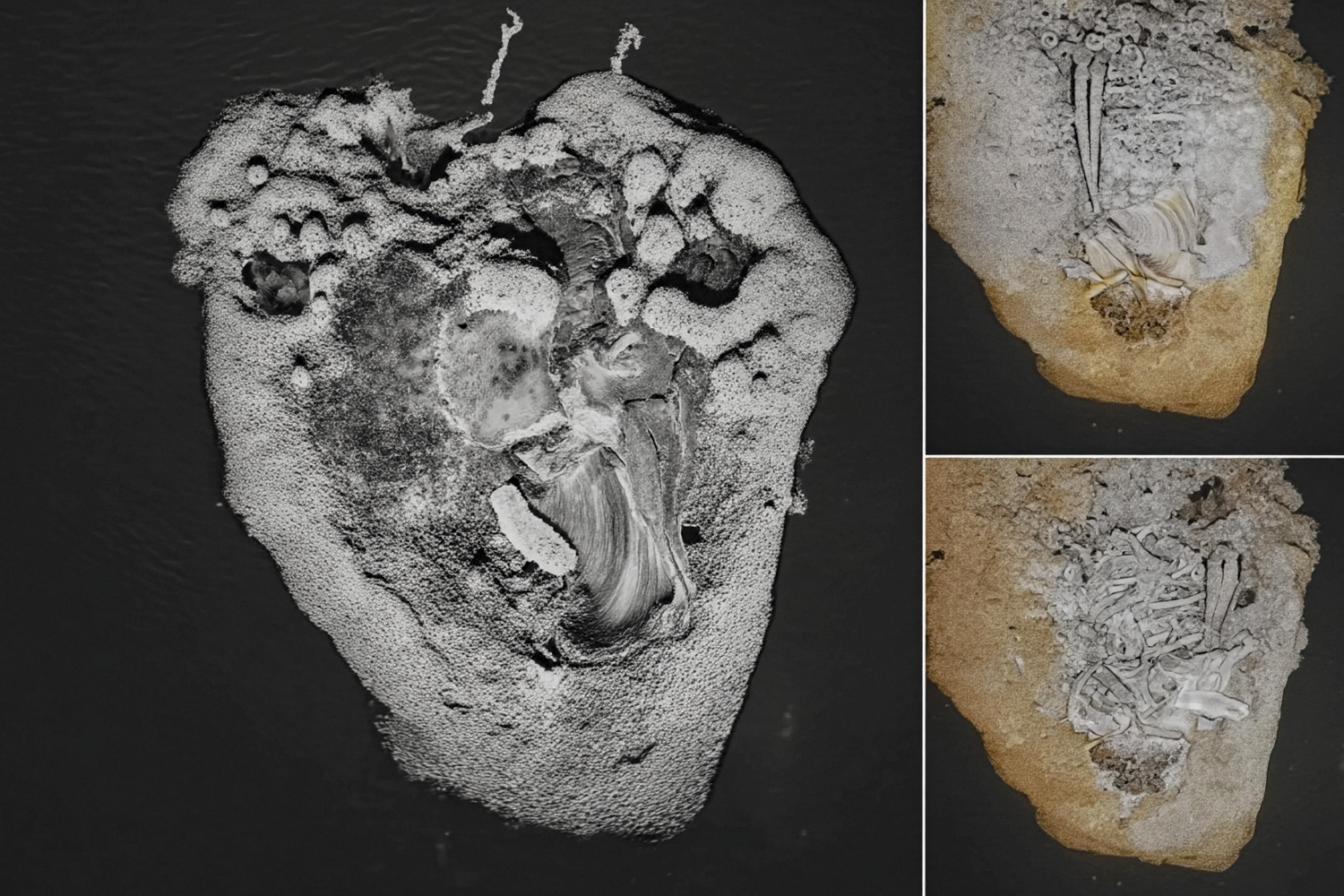
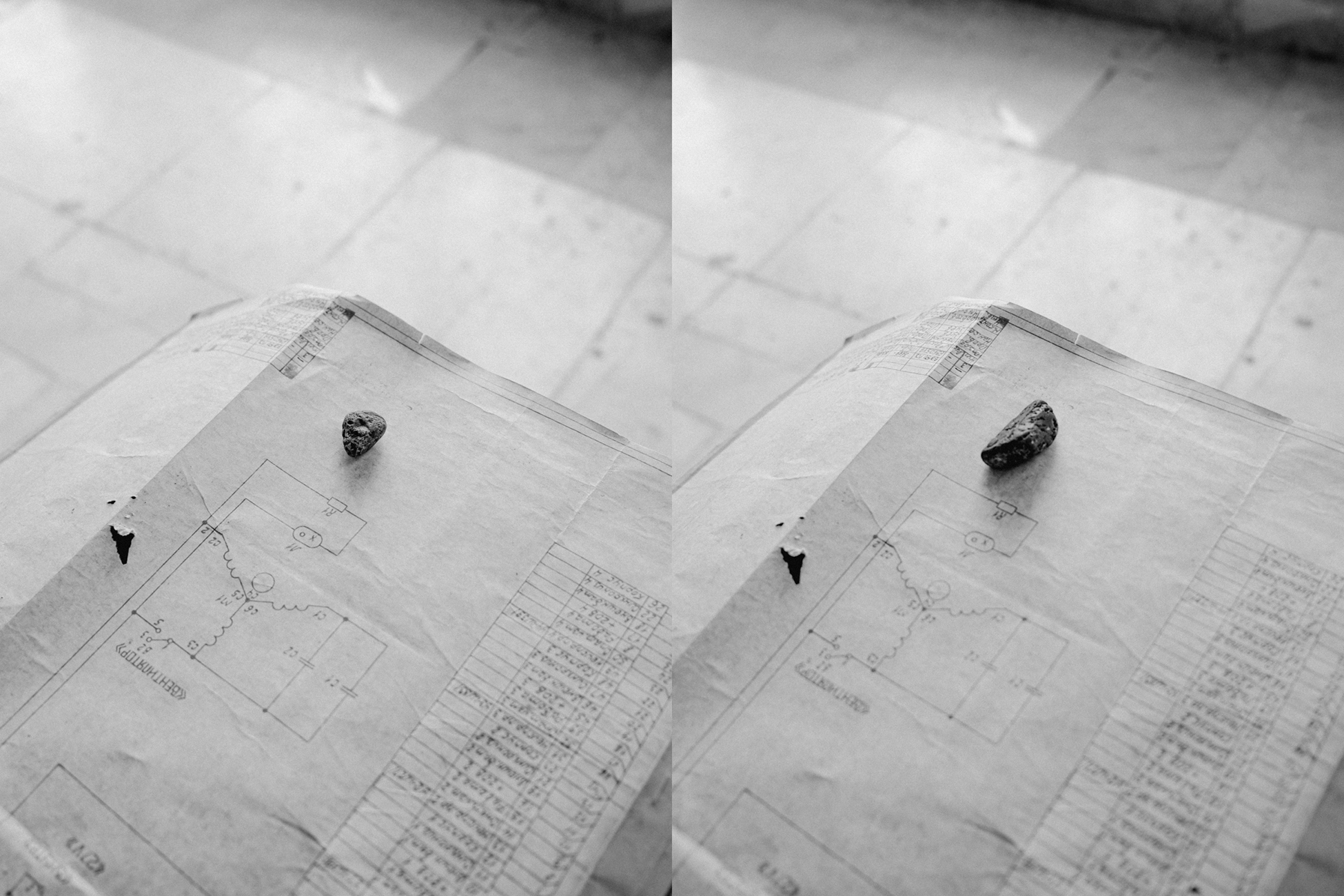
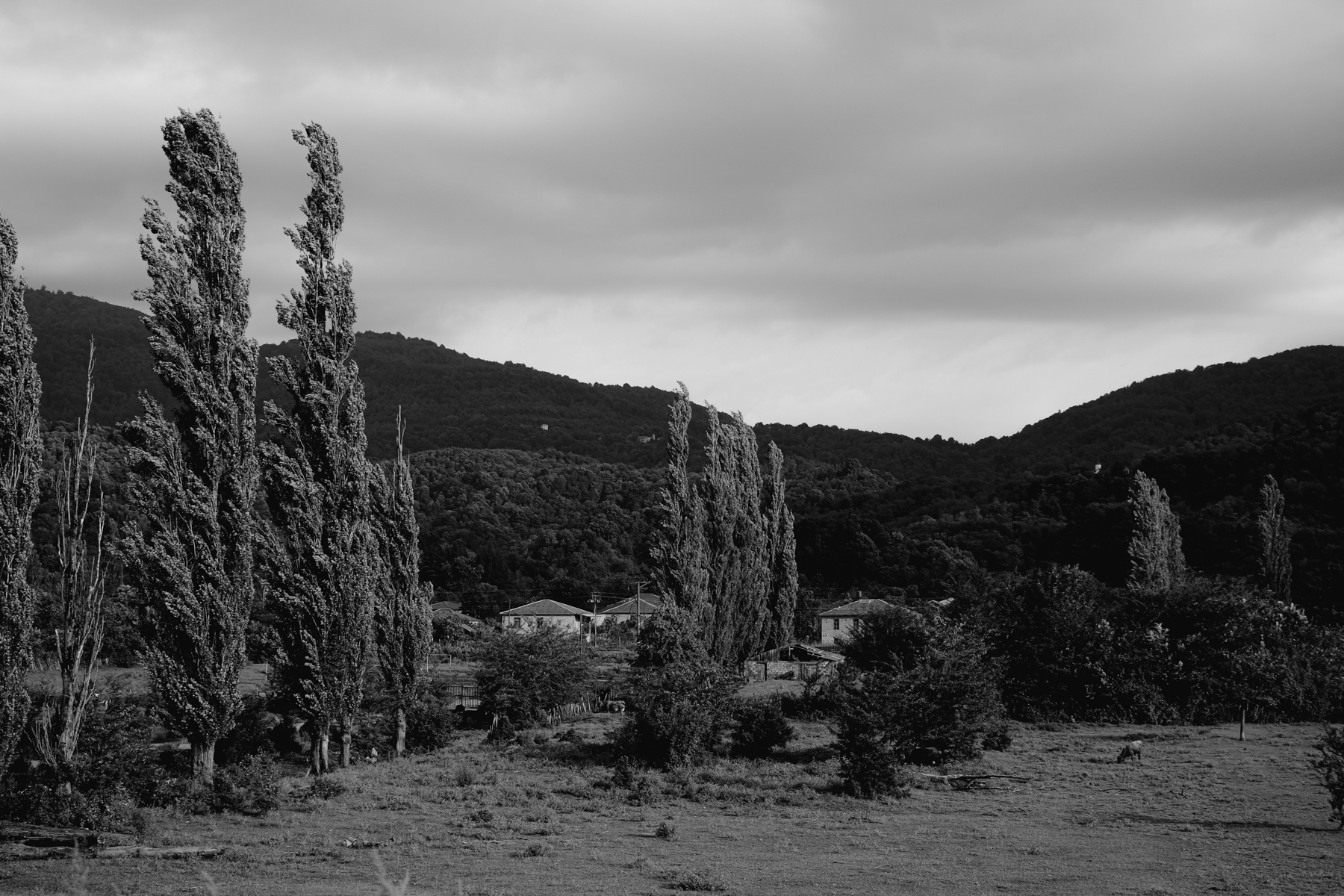
“The Cave Is Eternal Night” is another experimental site I have imagined for encounters of the third kind. As a place of perpetual darkness, the cave shelters unknown sounds and presences beyond comprehension, forever outside the reach of human observation. Yet I hope that I might be the one chosen to make contact with them. “No. 84003,” meanwhile, is a visual translation of my studies in planetary geology and astrophysics, ranging from astronomical observations made as an amateur to actual specimens, thin sections, and other materials.
To return to the title: Everett's Notes takes its name from the physicist Hugh Everett III. In 1957, Everett proposed a framework for quantum mechanics that would later become known as the Many-Worlds Interpretation. He argued that quantum systems always evolve according to the Schrödinger equation, without wave-function collapse—an account formulated through the “relative state” description within the framework of the “universal wave function.” Measurement does not cause the wave function to collapse; rather, the observer, measuring apparatus, and observed system become correlated and entangled, giving rise to different outcomes relative to one another. In later developments of the Many-Worlds Interpretation, these outcomes are commonly described as different “branches”: different possibilities are realized within their respective branches, while an observer can perceive only the outcome within the branch they inhabit.
As an imaginative extension of this theory, I picture the universe as an amoeba, perpetually branching. This corresponds closely to what I have observed in dreams: when the frequency of a dream resonates with one of these branching universes, the dreamer crosses into that branch, experiences the story of that universe, and follows its laws. In my imagination, the multiverse resembles a drifting, immeasurable soft-bodied organism, something that could only be observed in its entirety from some higher-dimensional realm.
The emotional experience of losing this “capacity to dream” also finds a quiet resonance in the tragedy that later befell Everett's family. His daughter, Elizabeth Everett, died by suicide in 1996. In her suicide note, she expressed the wish that her ashes be thrown into the garbage, in the hope that she might thereby “end up in the correct parallel universe to meet up with Daddy.” Over the years I have spent working on this project, I have sometimes found myself suspended in the space between fantasy and reality, able to empathize with that sense of loneliness—as though descending from somewhere in the universe—and with a silence that remains difficult to put into words.